Coralune

Supporters

What a sponsor report shows

Fragments funded, survival, before and after photos: how we write the impact reports of the companies that support us.

Mara IosefoCo-founder, marine biologist

1 min read

A company that supports a reef wants to be able to show it. To its teams, its customers, its board. That is what the impact report is for, and we want it clear above all.

One page, not a file

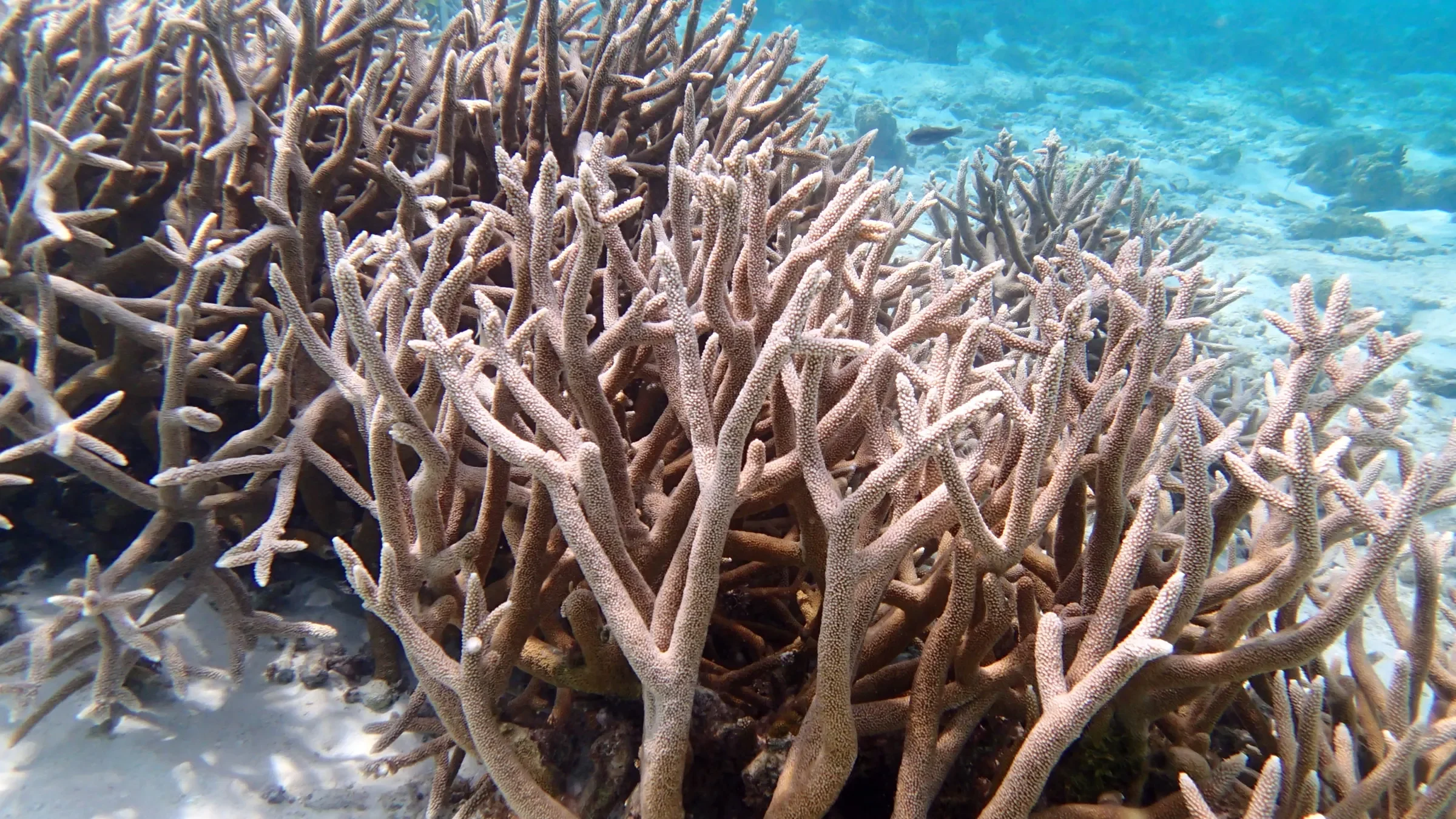
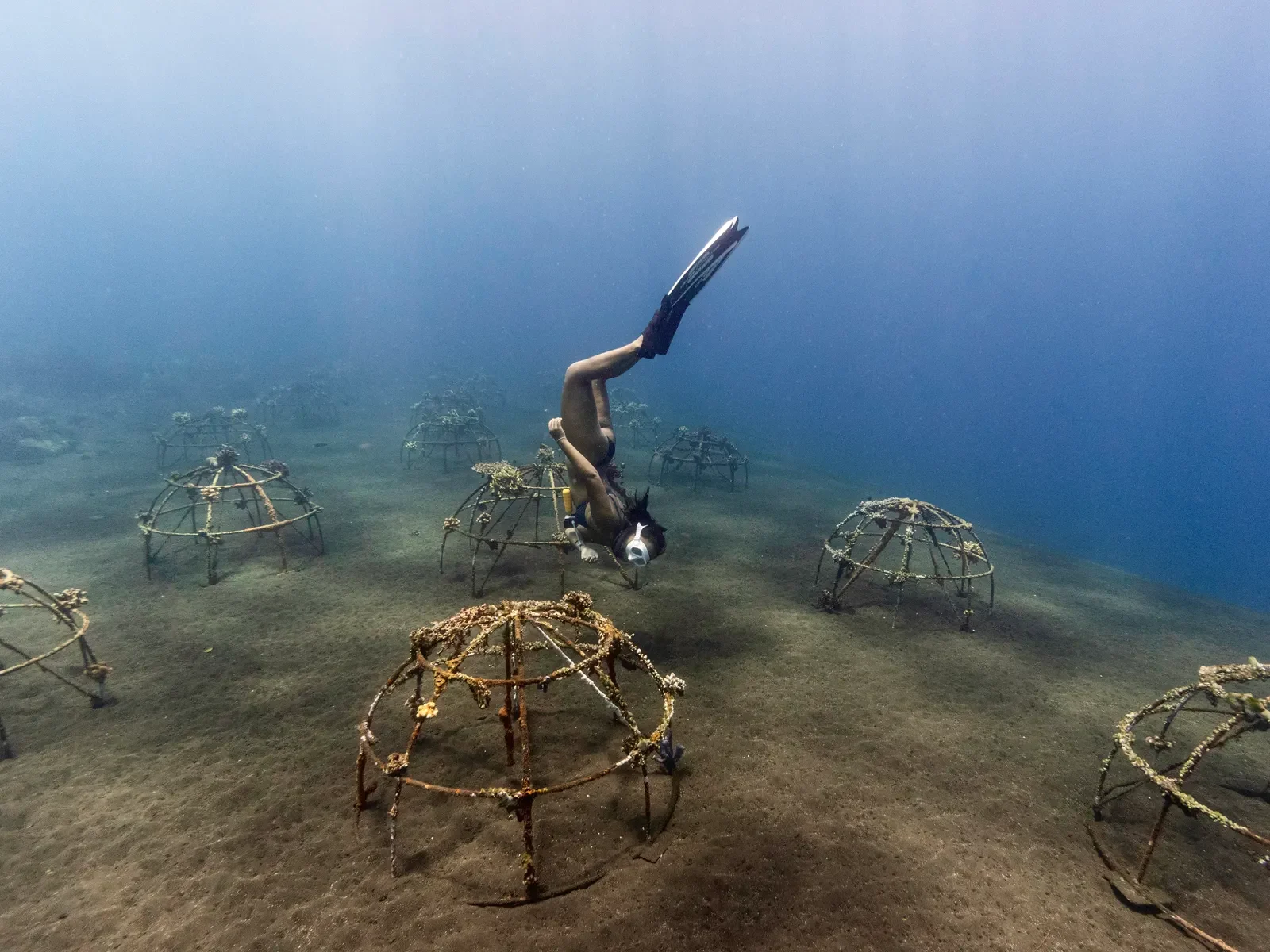
The report fits on one page: the site funded, the number of fragments, their survival, and two photos taken in the same spot a few months apart. Everything else is in the dashboard, for those who want to go further.

Numbers without makeup

We do not round survival up. If a storm damaged part of the site, the report says so, and explains what the team did next. An honest report reads with confidence a year later.

Images the company owns

The photos in the report are royalty free for the sponsoring company. They can illustrate an annual report, a web page or an internal presentation, with nothing more to ask.
Related posts

Three more notes from the Coralune team, caught in the same current.

See all posts
  • Nurseries

    How a coral fragment grows

    From the parent colony to the nursery frame, then to the reef: the steps of a fragment, and what we measure at each one.

    Devon OkaforCo-founder, platform

    1 min read

  • Field

    Putting every planting site on the map

    How we record, name and follow every planting site, so donors and divers look at the same map.

    Devon OkaforCo-founder, platform

    1 min read

  • Nurseries

    A season on the nursery frames

    Cleaning, measuring, photographing: daily life in a coral nursery, dive after dive.

    Mara IosefoCo-founder, marine biologist

    1 min read